Proper feeding is the foundation of successful poultry farming. Whether you are raising broilers, layers, or cockerels, the quality, quantity, and timing of feed directly determine growth rate, egg production, bird health, and overall profitability.
Many poultry farmers struggle with slow growth, poor feed conversion, and high mortality due to incorrect feeding practices. This is where Hoodes Farms provides professional guidance, quality feed solutions, and expert support to help farmers achieve optimal poultry performance.
Why Proper Feeding is Critical in Poultry Farming
Feed accounts for 65–75% of total poultry production cost, making it the most important factor in poultry success.
Proper feeding helps to:
- Promote fast and healthy growth
- Strengthen immunity against diseases
- Improve feed conversion ratio (FCR)
- Increase meat yield and egg production
- Reduce mortality
- Maximize farmer profit
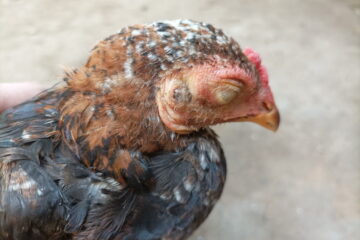
Poor feeding leads to stunted growth, disease outbreaks, and financial losses.
How Hoodes Farms helps:
Hoodes Farms provides structured feeding programs tailored to each stage of poultry growth, ensuring birds receive the right nutrients at the right time.
Types of Poultry Feed and Their Functions
Different feed types are formulated for specific growth stages.
1. Starter Feed (0–14 days)
Purpose: Early growth and organ development
Key features:
- High protein content (20–23%)
- Supports rapid chick development
- Strengthens immune system
Starter feed helps chicks develop strong bones, muscles, and organs.
How Hoodes Farms helps:
Hoodes Farms supplies premium starter feeds and guides farmers on correct feeding quantities to ensure healthy chick development.
2. Grower Feed (15–28 days)
Purpose: Body growth and weight increase
Key features:
- Moderate protein content (18–20%)
- Supports muscle and body development
- Improves feed efficiency
Grower feed prepares birds for rapid finishing-stage growth.
How Hoodes Farms helps:
Hoodes Farms ensures clients use properly balanced grower feed to maintain steady and efficient bird growth.
3. Finisher Feed (29 days to market)
Purpose: Rapid weight gain and muscle formation
Key features:
- Lower protein but higher energy
- Improves meat yield
- Prepares broilers for market
Finisher feed ensures broilers reach market weight quickly.
How Hoodes Farms helps:
Hoodes Farms provides finisher feed programs designed to maximize weight gain while minimizing feeding cost.
4. Layer Feed (For Egg Production)
Purpose: Support egg production and shell quality
Key features:
- High calcium content
- Supports strong eggshell formation
- Improves egg production rate
How Hoodes Farms helps:
Hoodes Farms provides specialized layer feed and nutritional support to increase egg production and quality.
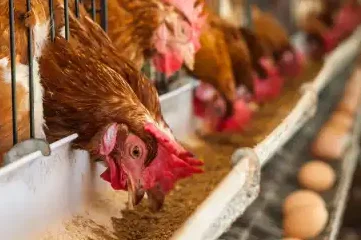
Daily Feeding Guidelines for Poultry
Feed quantity increases as birds grow.
Broiler feeding guide (average per bird):
| Age | Feed Intake per Day |
| Week 1 | 15–25 grams |
| Week 2 | 30–50 grams |
| Week 3 | 60–80 grams |
| Week 4 | 90–120 grams |
| Week 5–6 | 130–180 grams |
Always ensure:
- Feed is fresh and clean
- Feeders are cleaned regularly
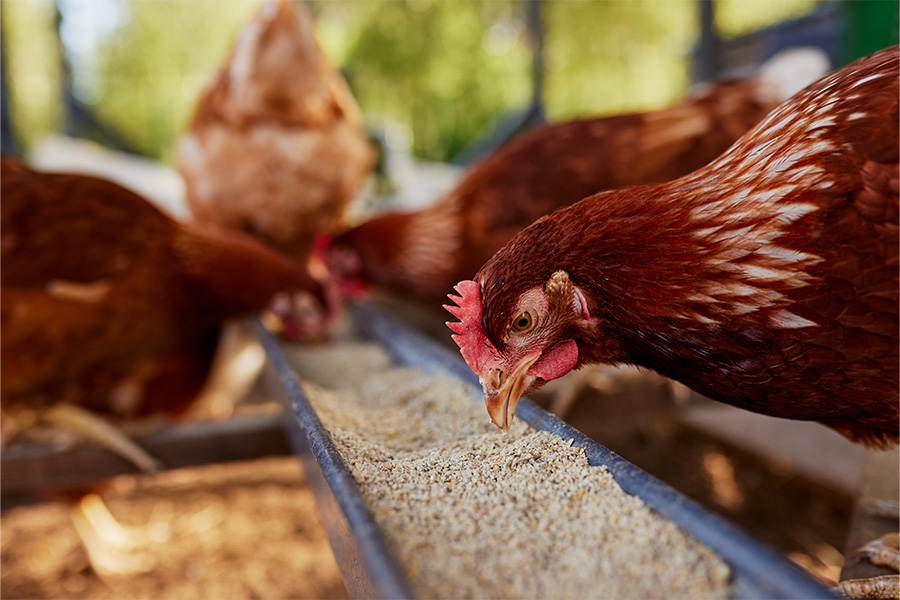
- Birds have constant access to feed
How Hoodes Farms helps:
Hoodes Farms provides precise feeding charts and monitoring support to help farmers avoid overfeeding or underfeeding.
Importance of Clean Water in Poultry Feeding
Water is as important as feed. Without water, birds cannot digest feed properly.
Best practices:
- Provide clean water at all times
- Clean drinkers daily
- Avoid contaminated water
- Ensure easy access for all birds
Water improves digestion, nutrient absorption, and temperature control.
How Hoodes Farms helps:
Hoodes Farms assists farmers in installing efficient watering systems to ensure consistent water supply.
Common Feeding Mistakes Farmers Should Avoid
Avoid these mistakes to ensure healthy birds:
- Using poor-quality feed
- Underfeeding or overfeeding
- Feeding moldy or contaminated feed
- Inconsistent feeding schedules
- Lack of clean water
- Improper feed storage
These mistakes can reduce growth and increase mortality.
How Hoodes Farms helps:
Hoodes Farms educates farmers on proper feed handling, storage, and feeding schedules to prevent losses.
Feed Storage Best Practices
Proper storage maintains feed quality.
Store feed:
- In a dry place
- Away from moisture
- Away from rodents
- On raised platforms
- In sealed containers
Poor storage leads to mold and nutrient loss.
How Hoodes Farms helps:
Hoodes Farms trains farmers on proper feed storage techniques to preserve feed quality.
Benefits of Working with Hoodes Farms for Poultry Feeding
Hoodes Farms supports farmers with:
- High-quality poultry feeds
- Customized feeding programs
- Professional poultry guidance
- Growth monitoring support
- Cost-effective feeding strategies
- Technical and veterinary advisory
This ensures faster growth, healthier birds, and higher profits.
Proper poultry feeding is the key to successful poultry farming. Providing the right feed at the right stage ensures fast growth, strong immunity, and maximum profitability.
With expert support, quality feed supply, and professional guidance from Hoodes Farms, farmers can raise healthy poultry confidently and achieve excellent production results.
Partnering with Hoodes Farms ensures your birds receive the best nutrition—and your poultry business achieves maximum success.